The Cost of a World Without Bees
Land of Bees
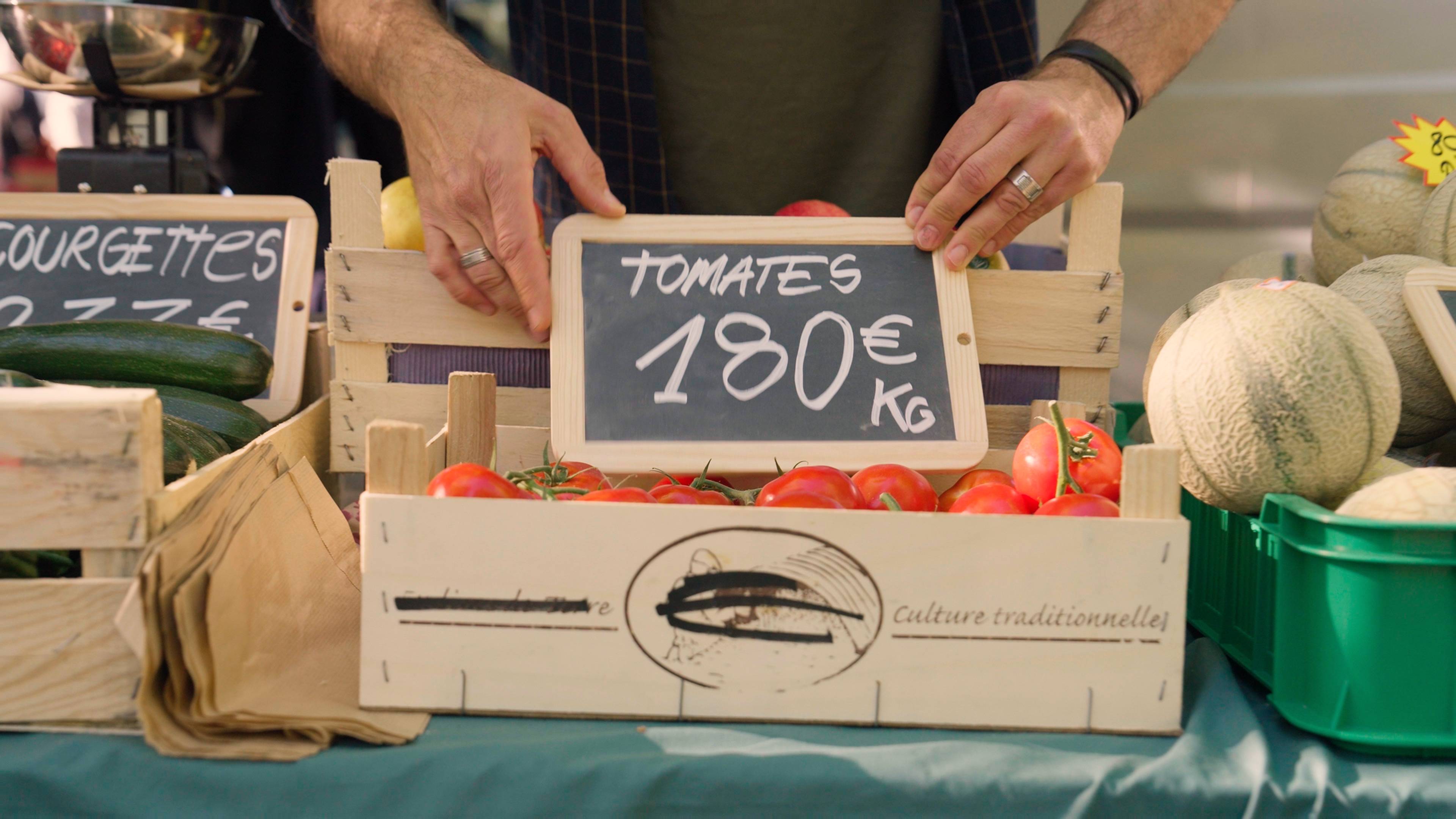
€180 per kilogram of tomatoes. That’s the price of a world without bees.
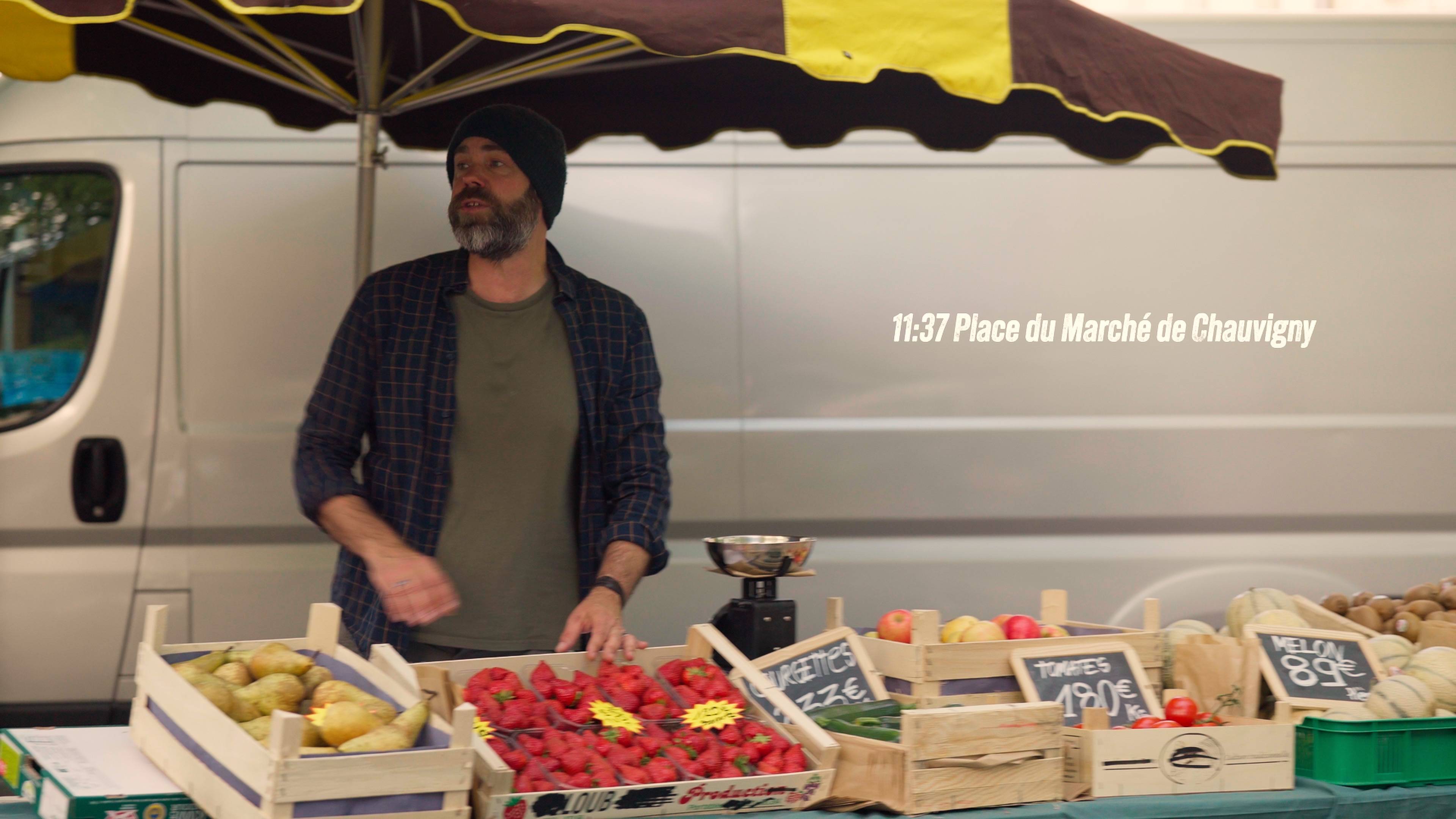
To mark World Bee Day, the Terre d’Abeilles association and the TBWA agency are organizing a unique awareness campaign at the Chauvigny market, in the heart of France.
On that day, at this market, fruits and vegetables will cost 15 times* more.
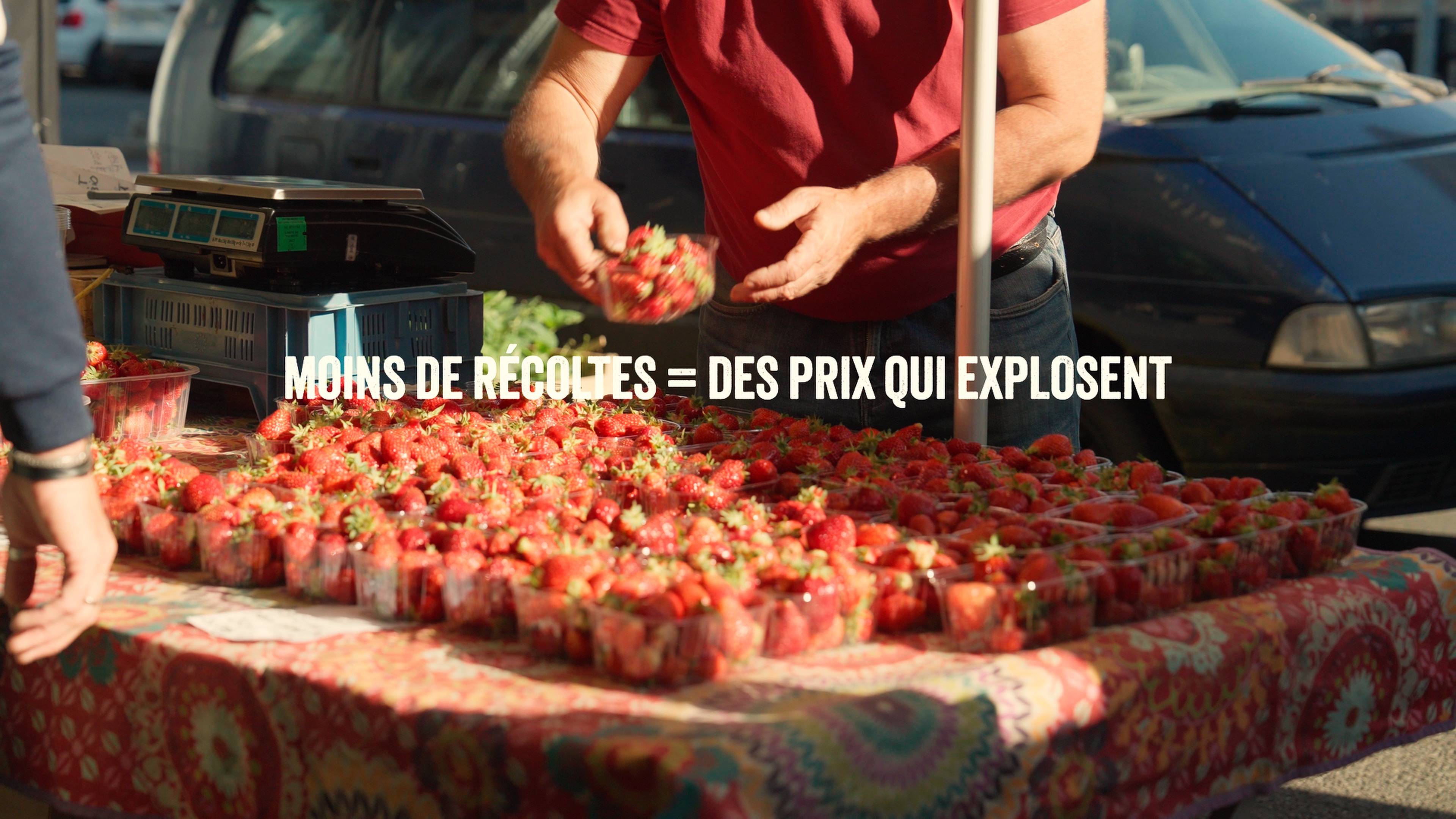
€180 per kg of tomatoes, €30 per cucumber, €120 per punnet of strawberries, €233 per kg of zucchini, €89 per melon.
A deliberately surprising experiment designed to bring home a reality that is still too abstract: without bees, our daily food would become an unaffordable luxury.
It’s not just about honey.
Every year in France, nearly a third of honeybee colonies are decimated or severely weakened. And the latest update to the IUCN Red List (October 2025) confirms that 10% of European wild bee species are now threatened with extinction, a figure that has risen by 123% over the past decade**.
Yet, for many French people, this disappearance remains a distant concern. Because in daily life, there are always more pressing matters: filling up the gas tank, rising grocery prices, and making ends meet.
What we don’t realize is that it all boils down to a single, overarching problem.
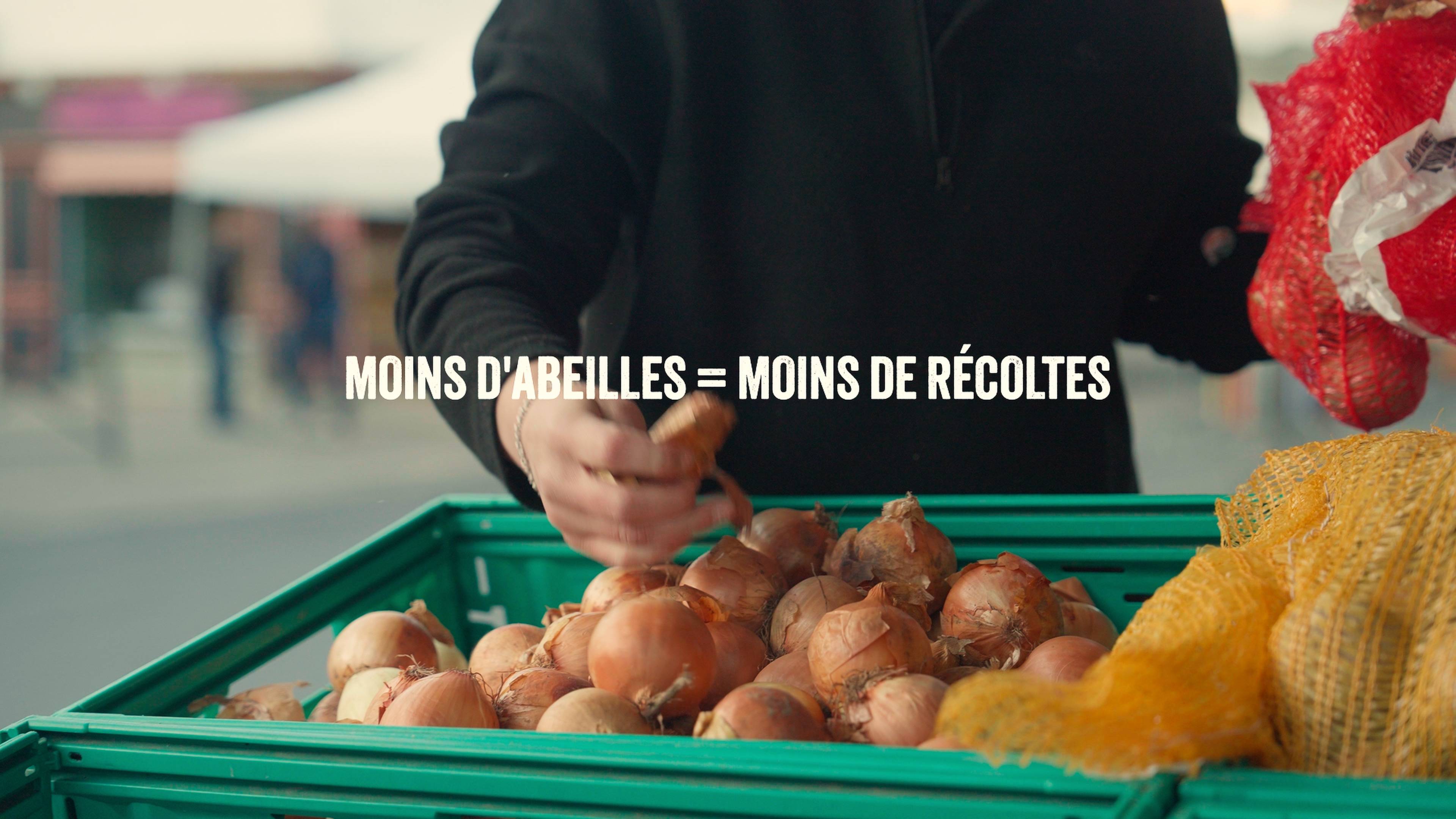
Because the disappearance of bees is not just an ecological emergency. It is the greatest threat to our purchasing power. 72.2%*** of the species cultivated for human consumption depend to some extent on pollinating insects. Less pollination means lower yields, scarcer production, greater strain on agricultural markets, and ultimately, more expensive products for everyone.
But then why are bees disappearing?
The disappearance of bees and other pollinators is linked to several environmental factors, but one of the main culprits remains the massive use of pesticides in agriculture, which are authorized despite their danger.
Among them, neonicotinoids are particularly singled out by many scientists.
These highly toxic insecticides directly attack the bees’ nervous system, disrupt their sense of direction, and permanently weaken colonies.
Added to this are the disappearance of wildflowers, the decline in biodiversity, the Asian hornet, and the effects of climate change, which further weaken pollinators.
Faced with the threat of extinction for bees and other pollinators, Terre d’Abeilles has one goal: to make this issue tangible and understandable for everyone.
It is a fight the association has been waging tirelessly for nearly 25 years, in support of agroecology that respects biodiversity and health.
Visit sauvonslesabeilles.com to join Terre d’Abeilles in continuing its fight against pesticides.
Sources
(*) Costs calculated using the official simulator from the French National Institute for Agricultural Research (INRAE) combined with three international scientific studies on pollinator decline (Klein, Siopa, Turo).
(**) Update to the IUCN Red List of Threatened Species
(***) IPBES report on pollinators